Hi folks, i hope you are doing ok? This week we are meeting at the Tynemouth Castle Inn at 7.30. I hope you can make it.
When you hear the words “the second coming”, what springs to mind? Dramatic scenes in the sky? The end of the world? Frightening predictions about when it will all happen?
For me, these things were the stuff of nightmares. As a teenager, I watched videos about the end times that genuinely frightened me. To be honest, they still do if I think about them for too long! But I don’t want to stay in that place. I want to explore other ways of understanding this part of the Christian story.
Thankfully, Jesus offers us another image to ponder: a fig tree.
In Matthew 24:32–35, Jesus invites people to notice the tree. When its branches become tender and its leaves appear, you know summer is near. (And I do love summer!) There’s no complicated calculation or secret timetable here. Just an invitation to pay attention.
Perhaps this gives us a different way to think about the second coming, less about frightening predictions and more about recognising signs of hope.
What are we looking for?
We live in anxious times. From nurdles on our beaches and the climate and biodiversity crises to conflict, inequality, political division and fears about AI, it can be difficult to know what kind of future we are heading towards. The news and social media rarely lack reasons to worry.
The film Don’t Look Up captures something of this. Two scientists discover a comet heading towards Earth, but their warnings become lost in political spin, media entertainment and public distraction. Beneath the dark humour lies a serious question: what happens when we become so distracted that we stop paying attention to what really matters?
Jesus’ fig tree offers a different approach: notice what is happening. Look for what is growing.
That doesn’t mean ignoring suffering, injustice or environmental destruction. We cannot simply look away and call ourselves hopeful. But neither is the world only a story of decline.
Hope is already taking root
Look at the people restoring habitats, planting community gardens, protecting wildlife and finding ways to reduce waste. Think of neighbours supporting one another and communities welcoming people who have been pushed to the margins.
None of these things will solve every problem, but they show that another way of living is possible.
Sometimes hope appears in small, ordinary things: a seed pushing through the soil, a relationship being repaired, or a community refusing to give up on someone.
One of the things I love about our Beachcomber community is Common Change, which gives us a way to raise funds and distribute them to people who may need a little help. It’s one small way of putting hope into practice. If you’d like to know more, just ask!
For followers of Jesus, the second coming is rooted in the hope that Christ will come again and God’s purposes will ultimately be fulfilled. Some understand this as Christ returning in glory to overcome evil and establish God’s kingdom fully. Others emphasise the renewal of creation and Christ’s continuing work of drawing the world towards justice, peace and reconciliation. There are differences, but both hold on to the hope that suffering and injustice will not have the final word.
So perhaps we can ask: what kind of future are we hoping for, and how might that hope shape the way we live now?
We don’t have to fix everything ourselves. But we can begin to live towards the world we long for, choosing compassion over indifference, restoration over waste, and connection over isolation.
Hope becomes more than a comforting thought. It becomes a way of seeing, and a way of living.
Staying awake to the possibilities
The Beatles’ song Here Comes the Sun captures something of this hope. After a long, difficult winter, light and warmth return. The song doesn’t pretend winter never happened. It reminds us that winter isn’t the whole story.
Karen and I have just returned from our regular singing weekend at Kielder. It’s a lovely time of year to be there, as summer gives way to autumn and the darker nights begin to draw in. Singing is good for the soul, and it certainly helps me. The people who gather are generally hopeful people, trying in their own small ways to help build a better world. Being there reminds me that signs of hope are all around us, often in the people we meet and the things we do together.
Jesus’ fig tree invites us to pay attention. What is growing? Where is life emerging, even in unexpected places? And are we sometimes so distracted by fear or the latest headline that we miss it?
The second coming need not be an exercise in predicting the future. It can be an invitation to live attentively in the present, trusting that the world is not finished yet.
Creation really is groaning, and there are good reasons to be concerned about the future. But hope is still worth practising. Sometimes it begins with something as ordinary as a tree, a branch and the first small leaves of a coming summer.
What signs of hope are growing around you, and how might you help them flourish?
Questions for reflection and conversation
- What’s the most hopeful song, film or book you’ve come across recently? Extra points if you can explain your choice without giving us the entire plot!
- When you think about the future, what gives you hope, and what worries you most?
- Where have you noticed something hopeful happening recently, in nature, your community or the wider world?
- Don’t Look Up explores how we can become distracted from serious problems. What gets in the way of us paying attention to what really matters?
- What might it look like to live towards a more compassionate, just and flourishing world, even when the future feels uncertain?
- What’s one small sign of hope you could help nurture this week?
A little musical extra
Alongside Here Comes the Sun, bring along a song that gives you hope. We’ll build a shared playlist together. 🎶
Peace Rob
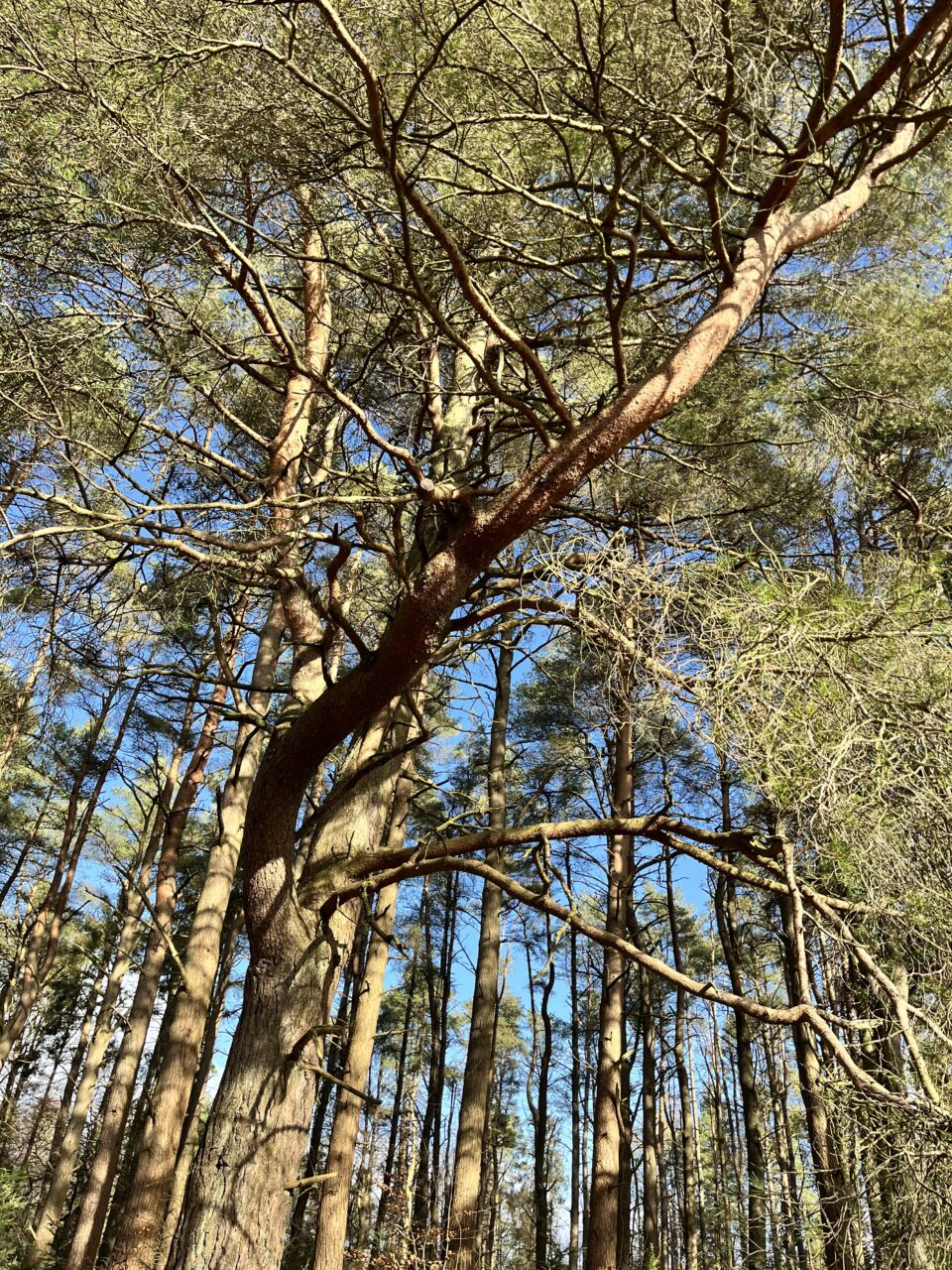
Photo: Rob Wylie

Rob Wylie is the founder of BeachcomberFX and guides its leadership team. He has worked in the North East for over 20 years and has vast experience from various roles he has held. He has a passion for Fresh Expressions of Church and Pioneer Ministry as well as beer, beaches and Miniature Schnauzers.